Efficacy & Safety
ZENPEP can deliver the symptom relief your patients with EPI need
In a clinical trial, the right dose of ZENPEP helped
patients absorb nutrients
and provided symptom relief1,2
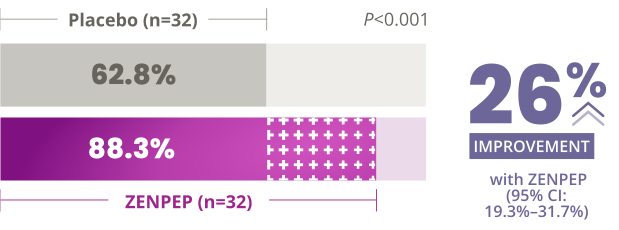
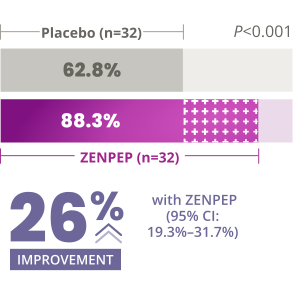
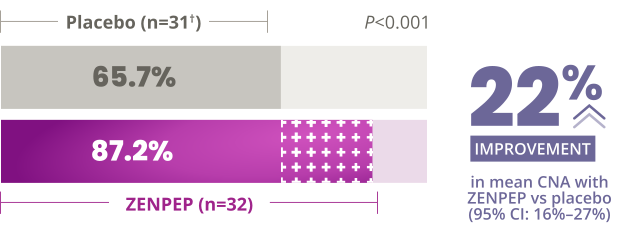
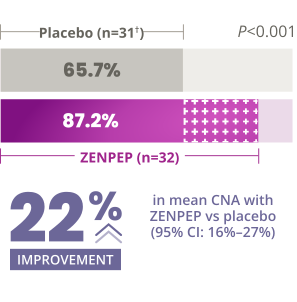
- 91% of patients achieved a CFA of 80% or higher with ZENPEP‡
- ZENPEP achieved unmatched efficacy results without the use of PPIs, H2-blockers, or motility agents2
- Vitamin A and E absorption significantly improved with ZENPEP vs placebo (P <0.001) 2
- The unique formulation of ZENPEP is designed to mimic typical exocrine pancreatic function1
- *A randomized, double-blind, placebo-controlled, 2-treatment, crossover study (ZENPEP Study 1) in patients with EPI due to CF aged 7 to 23 years. Patients were randomized to ZENPEP or placebo for 6 to 7 days of treatment, followed by crossover to the alternate treatment for 6 to 7 days. All patients consumed ≥100 g of fat per day. The primary efficacy endpoint was the mean difference in CFA between ZENPEP and placebo, which was measured from a 72-hour stool collection during both treatments. The use of enzymes other than ZENPEP and drugs affecting gastric pH or motility was not allowed during the trial.
- †One patient did not have fecal fat and nitrogen readings while on placebo.
- ‡Normal CFA is defined as 93% or higher.3
- CF=cystic fibrosis; CFA=coefficient of fat absorption; CI=confidence interval; CNA=coefficient of nitrogen absorption; EPI=exocrine pancreatic insufficiency; PPI=proton pump inhibitor.
Patients taking
ZENPEP achieved a near-normal
CFA
- ‡ Normal CFA is defined as 93% or higher.3
ZENPEP provided relief for a range of symptoms2
Decreased EPI symptoms can help patients eat with less discomfort4
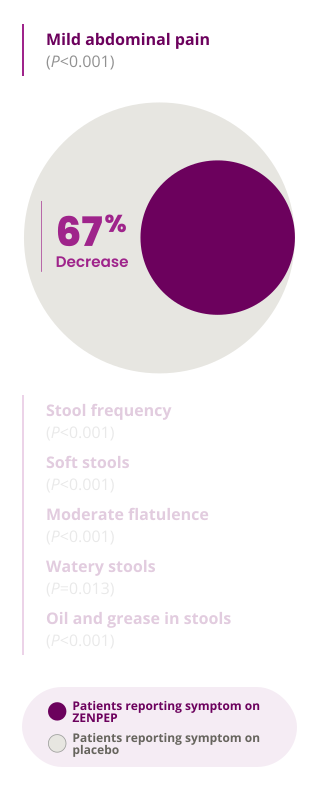
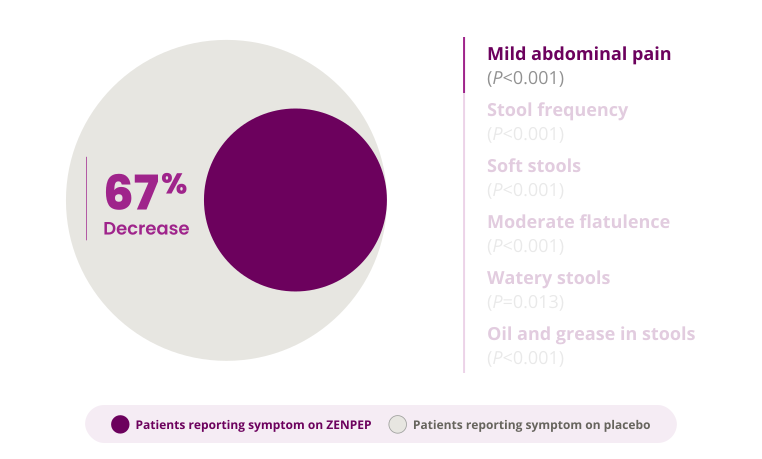
Significant reduction in EPI-related GI symptoms with ZENPEP vs placebo2§

Not actual patients.
- §Percentages were derived from actual numbers in referenced data. P values were taken directly from reference.
- GI=gastrointestinal.
Statistically significant improvement in mean Total Symptoms Index (TSI) score† was demonstrated with ZENPEP vs placebo (P=0.015)#
- ‖TSI assesses overall improvement in the clinical symptoms of EPI.
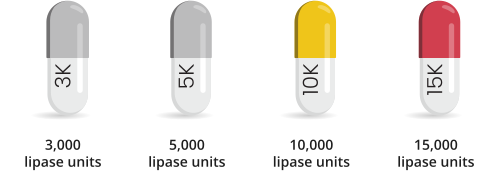
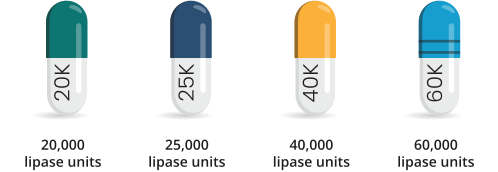
- Capsules not actual size.
Demonstrated safety profile with ZENPEP
in
children and adults with EPI due to CF1,2
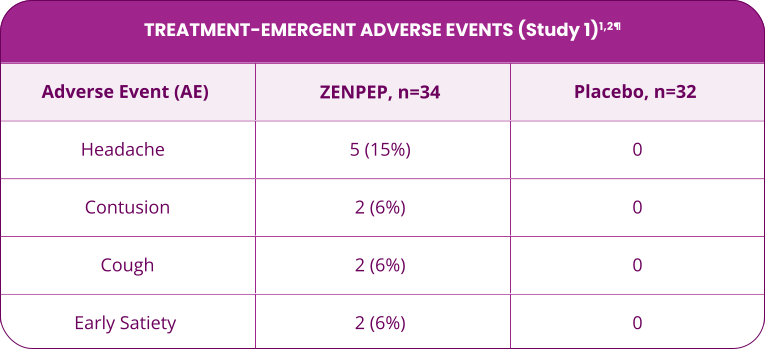
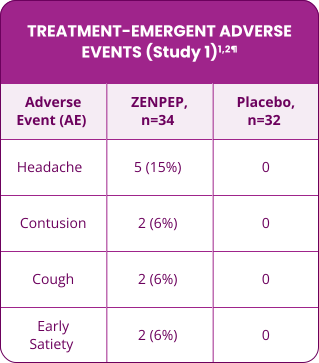
The most commonly reported AEs in Study 1 (≥6% of patients treated with ZENPEP) were headache, contusion, cough, and early satiety.
No drug-related serious AEs were observed.
Statistically significant improvement in
mean Total
Symptoms
Index (TSI)
score||
was demonstrated with ZENPEP vs placebo (P=0.015)5
- ¶The short-term safety of ZENPEP was assessed in 2 clinical trials. In Study 1, AEs were defined as occurring in at least 2 patients treated with ZENPEP (≥6%) during treatment and crossover treatment periods with ZENPEP. Study 2 was an open-label, uncontrolled, 14-day study of 19 patients, ages 1 to 6 years, with EPI due to CF. The most commonly reported adverse events were gastrointestinal, including abdominal pain and steatorrhea, and were similar in type and frequency to those reported in the double-blind, placebo-controlled trial (Study 1).
- ‖TSI assesses overall improvement in the clinical symptoms of EPI.